A Brilliant 10/10 Crime Thriller That Pulls You Into Its World
Michael Mann’s Heat is not just a crime film—it is a masterclass in storytelling, character writing, and cinematic tension. At first glance, it may appear like a familiar cops-and-robbers thriller, but the film slowly reveals itself to be something far deeper and more thoughtful. The narrative begins deliberately, almost quietly, allowing the audience to settle into the world of the characters before the stakes begin to rise. Instead of rushing into action, the film spends time observing the lives, routines, and emotional struggles of the people at its center. This patience is exactly what makes the later moments of tension feel so powerful.
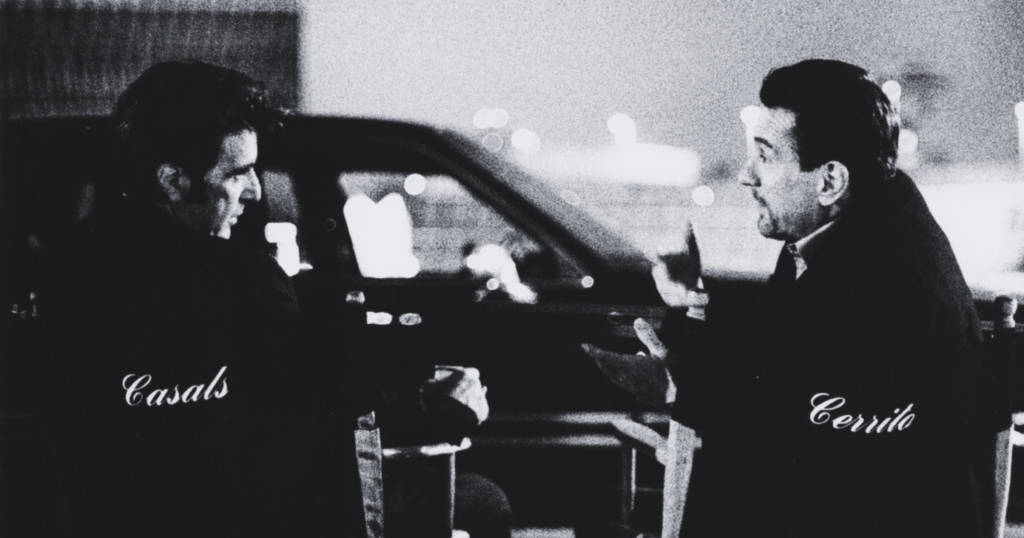
One of the most iconic turning points in the film arrives during the legendary café scene. When Al Pacino and Robert De Niro finally sit across from each other for the first time, the film reaches a completely different level of intensity. There are no explosions, no violence, and no dramatic confrontation—just two men having a calm, almost ordinary conversation. Yet the audience knows exactly who they are and what they represent. That knowledge transforms the scene into one of the most gripping moments in cinema history. Watching them speak with mutual respect while fully aware that their paths will inevitably collide creates a quiet but overwhelming tension. The brilliance of Heat lies in the fascinating contrast between its protagonist and antagonist. Al Pacino’s Vincent Hanna is loud, intense, and deeply obsessive about his work. He is a cop who lives entirely for the pursuit of criminals, and this relentless dedication slowly destroys every personal relationship in his life. Hanna has already gone through three marriages, and the film makes it clear that his job will always come before everything else. He is passionate and emotionally driven, a man who cannot separate his identity from the work he does.
Robert De Niro’s Neil McCauley, on the other hand, represents the exact opposite personality. McCauley is calm, patient, and extremely disciplined. Every move he makes feels carefully calculated, as though he has rehearsed every possibility in advance. While Hanna operates with emotional intensity, McCauley approaches life with cold precision. His philosophy is simple: never allow anything in your life that you cannot walk away from in thirty seconds if the heat comes around the corner. This contrast between the two characters is what makes the film so compelling. They exist on opposite sides of the law, yet they share an almost identical level of dedication to their professions. Both men are brilliant at what they do, and both understand the sacrifices required to maintain that level of excellence.
Their personal lives also reveal an interesting emotional divide. Hanna is someone who craves love and connection, yet his obsession with work prevents him from maintaining any lasting relationship. His emotional intensity makes it impossible for him to slow down or create stability in his personal life. McCauley, by contrast, has trained himself to avoid emotional attachments entirely. He believes that relationships only create vulnerabilities that could destroy the carefully controlled life he has built.
Yet the film complicates this idea in a fascinating way. Despite his rigid philosophy, McCauley eventually allows a woman named Eady into his life. Even though he knows the risks and understands that a relationship could jeopardize everything, he still chooses to open himself to the possibility of connection. It is one of the rare moments where the character allows emotion to challenge his own rules.
This human vulnerability makes the characters feel incredibly real. Neither man is portrayed as purely heroic or purely villainous. Instead, Heat presents them as two intelligent professionals who have simply chosen different sides of the same conflict. In many ways, they mirror each other more than they oppose each other.
When the inevitable end approaches, McCauley behaves exactly as his character has always suggested he would. Faced with a difficult decision, he remains calm and composed, even when the cost of that decision is devastating. There is no dramatic breakdown or emotional explosion. Instead, he quietly accepts the consequences of the life he has chosen.
This emotional restraint is one of the reasons the film remains so powerful. The story is not driven by spectacle alone; it is driven by the psychology of its characters. Watching Hanna and McCauley think, speak, and operate within their respective worlds becomes just as compelling as the action itself.
Ultimately, Heat succeeds because it invites the audience to observe two brilliant minds at work. It is less about who will win and more about understanding how these two men live, how they justify their choices, and how their lives inevitably lead them toward the same final confrontation. That level of character depth is what elevates the film far beyond a traditional crime thriller and transforms it into a timeless piece of cinema.
Michael Mann’s Vision of a Crime Epic
Released in 1995 and directed by Michael Mann, Heat stands as one of the greatest crime thrillers ever made. The film follows the intense pursuit of a professional thief, Neil McCauley, by LAPD detective Vincent Hanna. What makes the film unique is the way it balances the lives of both men. Instead of portraying the story as a simple battle between good and evil, the film presents both characters as intelligent professionals who are equally committed to their respective roles.
Michael Mann’s direction gives the film a distinct atmosphere. The city of Los Angeles becomes more than just a backdrop; it becomes a living environment that shapes the lives of its characters. From the glowing city lights to the quiet suburban streets, the film captures the loneliness and isolation experienced by the characters. Mann’s attention to detail makes every scene feel grounded and realistic.
A Screenplay Built on Character
The screenplay of Heat is one of its greatest strengths. Instead of focusing solely on action, the film invests time in exploring the personalities, motivations, and emotional struggles of its characters. Every conversation feels meaningful because it reveals something about the characters involved. The dialogue between Hanna and McCauley is particularly powerful. Their conversations reveal that they are not entirely different from each other. Both men are driven by their work, both sacrifice personal relationships for their careers, and both understand the dangers of their lifestyles. This similarity makes their conflict even more compelling. The film constantly reminds us that the line between the cop and the criminal is thinner than it appears.

The Legendary Café Scene
One of the most famous moments in cinema occurs when Hanna and McCauley finally meet face to face in a small café. The scene is simple yet electrifying. There are no explosions, no gunfire, and no dramatic confrontations. Instead, the tension comes from the conversation between two men who know they are destined to destroy each other.
This scene is iconic not only because it brings together Al Pacino and Robert De Niro on screen, but also because it captures the essence of the film. The two characters acknowledge their mutual respect while also accepting that their paths cannot coexist. It is a moment of calm before the storm.
The Film’s Approach to Action
While Heat is celebrated for its character-driven storytelling, it also features some of the most realistic action sequences ever filmed. The famous downtown Los Angeles bank robbery sequence remains one of the greatest action scenes in cinematic history. The intensity of the gunfight, combined with the realistic sound design, makes the scene feel incredibly immersive.
Unlike many action films that rely on spectacle alone, Heat uses its action sequences to reveal character. Each moment of violence reflects the personalities and decisions of the characters involved. The action is never gratuitous; it always serves the story.
Character Writing at Its Finest
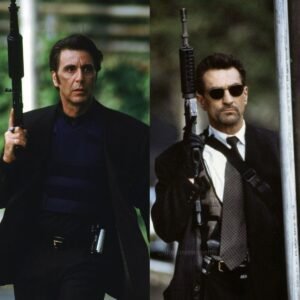
One of the reasons Heat remains so powerful is its exceptional character writing. Vincent Hanna is not portrayed as a perfect hero. His obsession with work causes him to neglect his personal life, and his relationships suffer because of it. Neil McCauley, meanwhile, is not depicted as a typical villain. He is disciplined, intelligent, and surprisingly principled.
The film treats both characters with equal depth and complexity. As viewers, we understand their motivations and even empathize with them. This balanced portrayal makes their eventual confrontation emotionally impactful.
The Brilliant Climax Explained
The climax of Heat is both thrilling and emotionally resonant. After successfully escaping the police following the bank robbery, McCauley plans to leave the city and start a new life with Eady. However, his commitment to a personal code ultimately becomes his downfall.
When McCauley learns that a man who betrayed him is still alive, he cannot resist the urge for revenge. Despite knowing that this decision could jeopardize his escape, he chooses to confront his enemy. This moment perfectly reflects the character’s personality. McCauley has always believed in finishing unfinished business, even if it costs him everything.
This decision allows Hanna to track him down, leading to the film’s final confrontation at the airport. The scene is quiet, tense, and deeply emotional. When Hanna finally shoots McCauley, the moment feels tragic rather than triumphant. The two men share a final moment of understanding before McCauley dies, reinforcing the idea that they were not so different after all.
Why Heat Remains a Classic
Nearly three decades after its release, Heat continues to be celebrated as one of the greatest crime films ever made. Its influence can be seen in countless modern thrillers, from its realistic action sequences to its character-driven storytelling.
What truly makes the film special is its focus on human behavior. Instead of presenting a simple conflict between good and evil, the film explores the psychological and emotional complexities of its characters. Watching Hanna and McCauley navigate their lives feels less like observing fictional characters and more like studying two real individuals whose paths inevitably collide.
Heat is more than just a crime thriller—it is a study of obsession, discipline, and the consequences of a life defined by one’s profession. Michael Mann crafts a film that is both intellectually engaging and emotionally powerful. The performances of Al Pacino and Robert De Niro elevate the story to legendary status, creating a cinematic experience that remains unforgettable.
Few films manage to balance action, character development, and thematic depth as effectively as Heat. For anyone who appreciates intelligent filmmaking and powerful performances, this film remains a timeless masterpiece.