 The Superstar Who Refused to Become a Memory
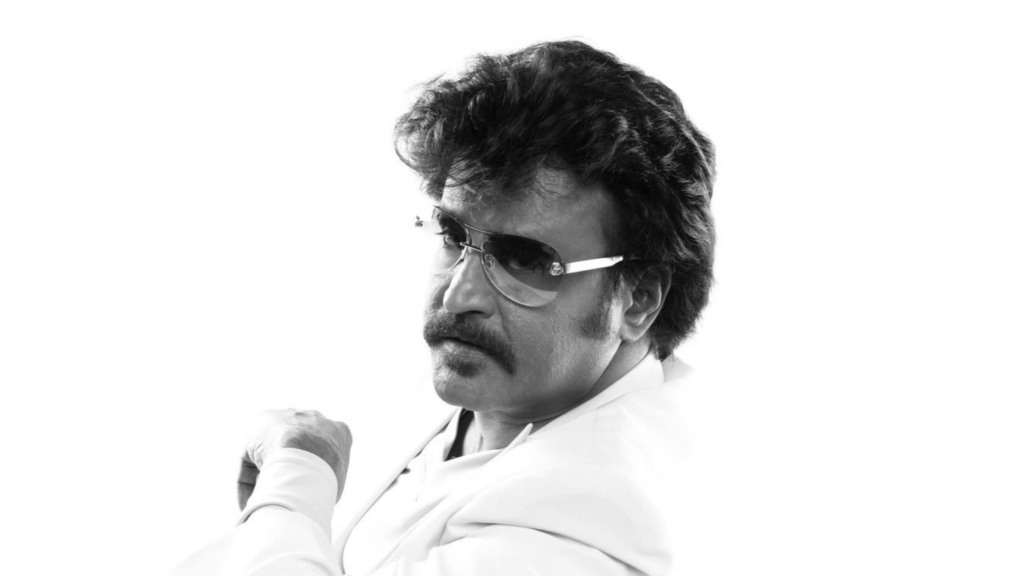
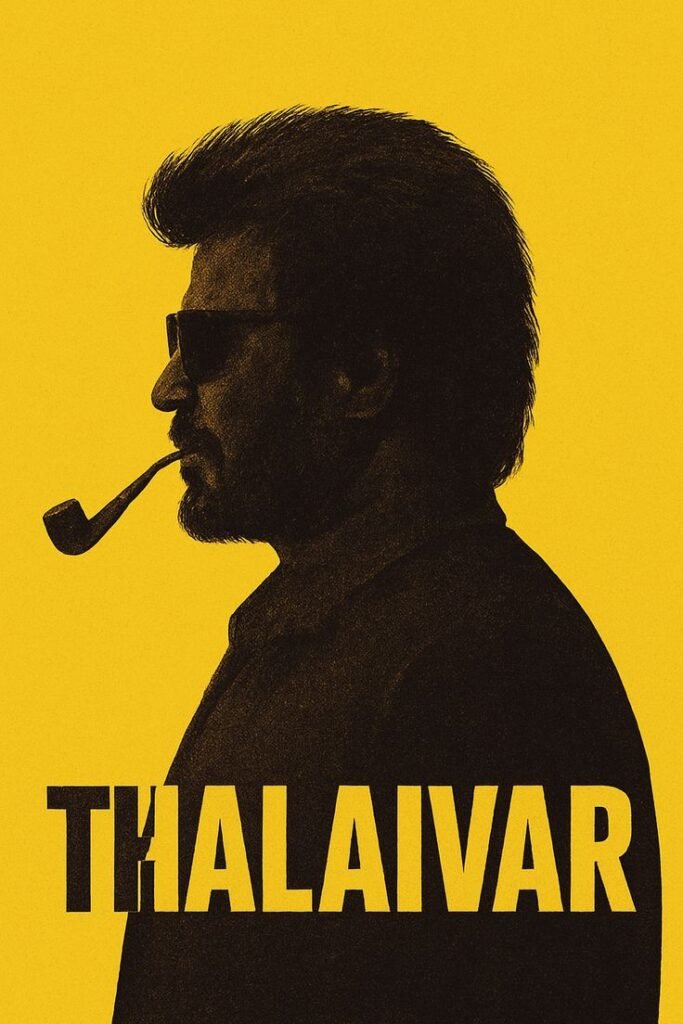
Most actors spend their careers trying to become stars. Rajinikanth spent the last decade trying to avoid becoming a memory. That’s what makes his journey so fascinating. By the time the 2010s began, Rajinikanth had already achieved everything an actor could dream of. He was no longer just a successful movie star or a box office phenomenon. He had become a cultural symbol. His style, mannerisms, punch dialogues, and screen presence were deeply embedded in Indian pop culture. For decades, audiences celebrated him for being larger than life. But the biggest challenge for any superstar arrives after reaching the peak. Once the audience knows exactly what to expect, repetition becomes inevitable. Many legendary actors struggle at this stage. They continue playing the same version of themselves while the audience slowly moves on. Rajinikanth understood this danger better than most. Instead of desperately holding on to old formulas, he began making a series of decisions that would quietly transform his career.
The Indian film industry itself was changing. Streaming platforms were exposing audiences to international storytelling. Younger filmmakers were experimenting with darker themes and more grounded narratives. Audiences were becoming less interested in invincible heroes and more interested in layered characters. Rajinikanth could have ignored those changes and continued making familiar commercial films. Instead, he chose the harder path. He decided to evolve. Looking back now, that decision may have been the smartest move of his career. Because the Rajinikanth we see today is very different from the Rajinikanth audiences saw fifteen years ago, yet somehow he remains equally powerful.
Kabali and Kaala Changed the Conversation
The turning point arrived with Kabali. When Pa. Ranjith announced he would be directing Rajinikanth, many fans expected another traditional mass entertainer. What they got instead was something completely different. Kabali wasn’t interested in presenting Rajinikanth as an unstoppable superhero. Instead, it showed him as an aging gangster haunted by loss, memory, and emotional pain. For perhaps the first time in years, audiences were watching Rajinikanth the actor rather than Rajinikanth the phenomenon. The film wasn’t perfect, but it accomplished something incredibly important. It proved that audiences were willing to embrace vulnerability from a man whose image had been built on invincibility.
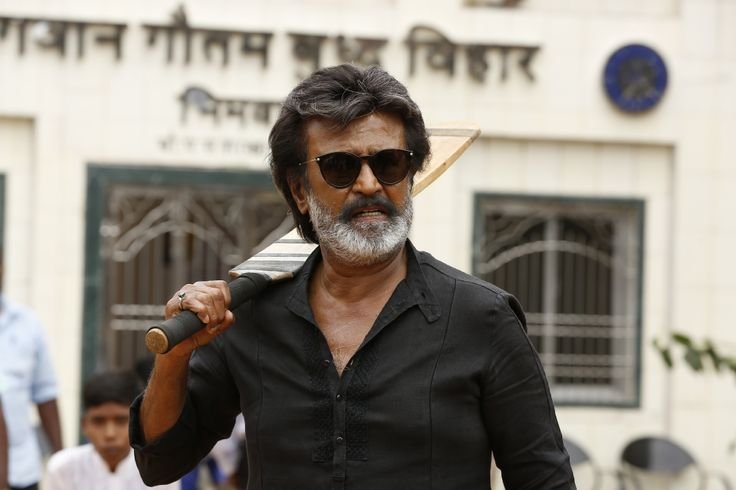
That evolution continued with Kaala. Once again, Rajinikanth stepped into a world that felt grounded and politically charged. The film focused on identity, class struggle, and community power rather than simply building towards hero moments. What made these films important wasn’t their box office performance. It was what they represented. Rajinikanth was actively dismantling parts of his own mythology and rebuilding it for a new era. Instead of pretending to be ageless, he embraced maturity. Instead of relying entirely on style, he leaned into character. These choices allowed younger audiences to connect with him while giving longtime fans a fresh perspective on a star they thought they already knew.
More importantly, these collaborations introduced Rajinikanth to a new generation of filmmakers and cinephiles. Suddenly, discussions around his films weren’t limited to opening day collections and punch dialogues. People were talking about themes, politics, cinematography, and performance. Rajinikanth had become relevant in entirely new conversations.
 Jailer, Coolie and the Birth of Modern Rajinikanth
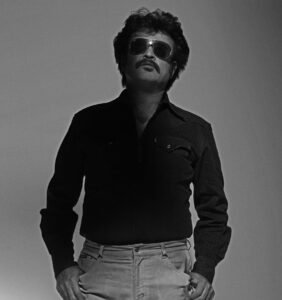
If Kabali and Kaala represented experimentation, Jailer represented perfection of the formula. Nelson Dilipkumar understood something that many filmmakers had missed. Audiences still loved classic Rajinikanth, but they wanted that classic image packaged through modern filmmaking. Jailer achieved exactly that. The film didn’t ignore Rajinikanth’s age. Instead, it transformed age into a weapon. His calmness became intimidating. His silence became threatening. His presence alone carried enormous weight. Rather than trying to compete with younger action heroes physically, he dominated through charisma and screen presence.
The success of Jailer reminded everyone why Rajinikanth became a superstar in the first place. But unlike many comeback films, it didn’t feel nostalgic. It felt contemporary. The film worked equally well for audiences who had grown up watching Rajinikanth and for younger viewers discovering him through modern cinema. That balance is incredibly difficult to achieve.
Then came Coolie, arguably one of the most anticipated collaborations in Tamil cinema history. Pairing Rajinikanth with Lokesh Kanagaraj wasn’t just exciting because of the names involved. It symbolized something larger. It represented the meeting of two eras. On one side was the biggest superstar Tamil cinema has ever produced. On the other was the filmmaker who redefined commercial storytelling for a new generation. The success of Coolie proved that Rajinikanth wasn’t interested in becoming a legacy act. He still wanted to push forward. He still wanted to work with ambitious filmmakers. He still wanted to evolve.
This willingness to adapt is what separates Rajinikanth from many of his contemporaries. While some stars struggle to understand changing audience tastes, Rajinikanth has consistently embraced them without losing his identity.
Why 2026 Might Be Rajinikanth’s Biggest Year Yet
What makes Rajinikanth’s reinvention even more remarkable is that it doesn’t appear to be slowing down. In fact, 2026 might become one of the biggest years of his entire career. Jailer 2 is already among the most anticipated Indian films in development. The success of the first film has created enormous expectations, and early reports suggest that the sequel is aiming for an even bigger scale. At the same time, the historic KHxRK project has generated unprecedented excitement across the industry. The idea of Rajinikanth and Kamal Haasan sharing screen space again after nearly four decades feels almost unreal. It isn’t just another film announcement; it’s a cultural event.
What’s fascinating is that these projects aren’t relying solely on nostalgia. Audiences aren’t excited because they miss the old Rajinikanth. They’re excited because the current version of Rajinikanth remains relevant. That’s a huge distinction. Many stars survive on memories. Rajinikanth continues to create new ones. Every generation seems to discover its own version of him. Older audiences remember Baasha. Millennials remember Sivaji and Enthiran. Today’s younger audience talks about Jailer and Coolie. Few actors in cinema history have managed to remain culturally significant across so many decades.
And perhaps that’s the real story of Rajinikanth’s reinvention. He never tried to become someone else. He simply understood that staying relevant requires growth. The style remained. The charisma remained. The unmistakable screen presence remained. But the characters evolved, the filmmakers evolved, and the stories evolved. As a result, Rajinikanth evolved too. In an industry where most stars spend their later years protecting their legacy, Rajinikanth spent the last decade rebuilding his. And somehow, after fifty years in cinema, he still feels like the future.
The Secret Behind Rajinikanth’s Longevity
One of the biggest reasons Rajinikanth remains relevant today is because he understood something many stars fail to understand — longevity is not about staying the same; it’s about knowing what to change and what to preserve. Throughout cinema history, countless superstars have struggled once audience tastes evolved. Some tried desperately to imitate younger actors. Others refused to adapt entirely. Rajinikanth chose neither approach. Instead, he identified the core elements that made him unique and built upon them.
The trademark style remained. The effortless charisma remained. The magnetic screen presence remained. But everything around those qualities evolved. His choice of directors changed. The stories became more grounded. The characters became older and more emotionally complex. He stopped trying to convince audiences that he was the same man from the 1990s and instead embraced who he had become. Ironically, that honesty made him feel more powerful than ever.
What’s remarkable is that Rajinikanth’s age never became a limitation. In fact, it became part of his appeal. Modern audiences don’t look at him and see a veteran actor trying to relive past glory. They see a performer who carries decades of experience into every frame. When he walks into a scene now, the impact comes from presence rather than spectacle. Younger stars may have bigger action sequences, but very few can command attention the way Rajinikanth does with a simple look or pause.
This ability to age naturally while remaining commercially relevant is incredibly rare. It requires confidence. It requires self-awareness. Most importantly, it requires understanding that stardom is not about refusing change. It’s about evolving without losing authenticity. Rajinikanth mastered that balance better than almost anyone in Indian cinema.
 How Rajinikanth Became Bigger Than Tamil Cinema
There was a time when Rajinikanth was primarily viewed as Tamil cinema’s biggest star. Today, that description feels far too small. Over the last decade, his influence has expanded far beyond language, region, or even cinema itself. Rajinikanth has become one of the few Indian actors whose image is instantly recognizable across generations and cultures.
Part of this comes from the rise of social media and streaming platforms. Younger audiences who never experienced Baasha in theaters can now discover it online. International audiences who once had limited exposure to Tamil cinema can now watch his films with subtitles. As Indian cinema became increasingly global, Rajinikanth’s legacy grew alongside it.
But global reach alone doesn’t explain his relevance. The real reason lies in how universal his journey feels. Rajinikanth’s story isn’t simply about success. It’s about reinvention. Audiences admire him because he continues to evolve despite having nothing left to prove. After fifty years in cinema, he still approaches new projects with curiosity. He still collaborates with emerging filmmakers. He still takes risks.
This willingness to keep moving forward has transformed him from a superstar into something much larger — a symbol of adaptability. In an industry obsessed with youth and trends, Rajinikanth represents endurance. He represents the idea that growth doesn’t stop after success. If anything, success creates the responsibility to keep evolving.
That may be why every major Rajinikanth announcement still feels like an event. Whether it’s Jailer 2, Coolie, or the historic KHxRK collaboration with Kamal Haasan, audiences aren’t simply reacting to nostalgia. They’re reacting to anticipation. They genuinely want to know what he does next. And after five decades in cinema, that level of curiosity is almost unheard of.