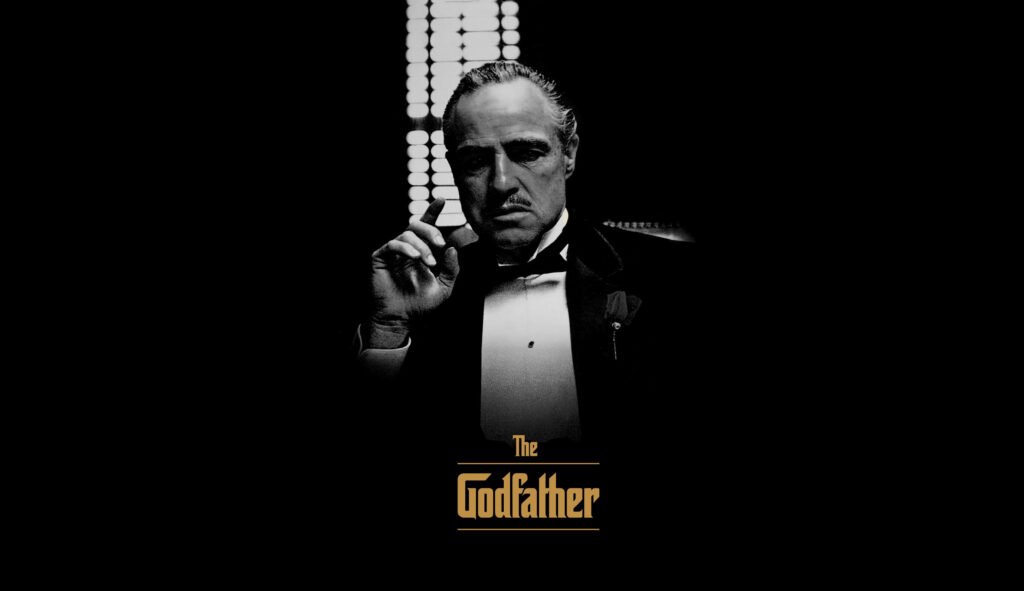
‘The Godfather’ (1972) – A Masterclass in Crime Cinema
Few films in cinema history have achieved the level of influence and reverence that The Godfather (1972) continues to enjoy. Directed by Francis Ford Coppola and based on Mario Puzo’s bestselling novel, the film is often regarded as one of the greatest achievements in filmmaking. More than just a gangster story, The Godfather is a profound exploration of power, family, loyalty, and moral decay.
From its opening wedding sequence to its chilling final moments, the film builds a world that feels both intimate and epic. Coppola does not simply tell the story of a crime family; he crafts a sweeping portrait of ambition, legacy, and the gradual corruption of the American dream. The result is a film that feels timeless, layered, and endlessly fascinating even decades after its release.
A Story About Family and Power
At its heart, The Godfather tells the story of the Corleone family, one of the most powerful Mafia organizations in America. The film begins with the aging patriarch Don Vito Corleone, played with unforgettable gravitas by Marlon Brando. Known for his wisdom and quiet authority, Vito is a man who commands immense respect within the criminal underworld. The narrative takes a dramatic turn when rival families attempt to assassinate Vito after he refuses to enter the narcotics trade. This event triggers a violent power struggle that forces the Corleone family into a war for survival.
But the true emotional arc of the film belongs to Michael Corleone, portrayed brilliantly by Al Pacino. At the beginning of the film, Michael is an outsider to the family business. A decorated war hero with a seemingly normal future ahead of him, he wants nothing to do with organized crime. Yet as circumstances spiral out of control, Michael slowly becomes drawn into the world he once rejected. What follows is one of the most compelling character transformations ever captured on film. By the end of the story, Michael has evolved from an innocent son into a calculating leader who ultimately becomes the new Godfather. This tragic transformation lies at the emotional core of the film.
Characters That Feel Larger Than Life
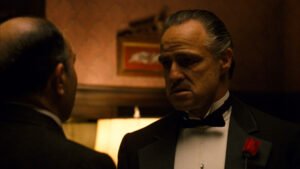
One of the reasons The Godfather remains so powerful is its unforgettable ensemble of characters. Each member of the Corleone family adds a unique dimension to the story. Don Vito Corleone, played by Marlon Brando, is perhaps one of the most iconic characters in cinema history. His quiet voice, measured presence, and unwavering sense of control make him both intimidating and strangely sympathetic. Brando’s performance is subtle yet commanding, turning Vito into a figure of mythic proportions.
Michael Corleone, on the other hand, represents the film’s emotional journey. Al Pacino delivers a restrained and layered performance, portraying Michael’s gradual descent into power with chilling precision. His evolution from reluctant son to ruthless leader remains one of cinema’s most fascinating character arcs. Supporting characters also play crucial roles in shaping the story. Sonny Corleone (James Caan) embodies impulsive aggression, while Tom Hagen (Robert Duvall), the family’s lawyer and consigliere, serves as the voice of strategy and diplomacy. Together, these characters form a complex portrait of a family bound by loyalty yet torn apart by ambition.
Writing That Feels Like Literature
The screenplay by Francis Ford Coppola and Mario Puzo is one of the film’s greatest strengths. Instead of focusing solely on crime and violence, the writing explores deeper themes of loyalty, tradition, and the illusion of power. The dialogue is sharp, memorable, and layered with meaning. Lines such as “I’m going to make him an offer he can’t refuse” have become legendary not just because they sound powerful, but because they reveal the mindset of characters who view violence as a form of negotiation.
The film also unfolds with the pacing of a great novel. Each scene adds new layers to the Corleone family’s story, allowing the audience to fully understand their motivations and conflicts. Even with a runtime of nearly three hours, The Godfather never feels rushed or excessive.Every moment contributes to the larger narrative, making the film feel less like a traditional crime movie and more like an epic literary drama brought to life on screen.
 Cinematic Craft at Its Finest
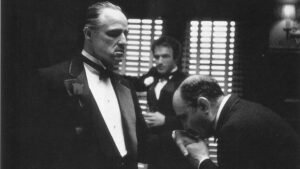
Beyond its storytelling, The Godfather is also a technical masterpiece. Cinematographer Gordon Willis, often called “The Prince of Darkness,” created a visual style that perfectly complements the film’s themes. The use of shadows and warm amber lighting gives the film a rich, almost painterly quality. Many scenes are intentionally dimly lit, symbolizing the moral ambiguity of the characters and the secretive nature of their world.
Coppola’s direction is equally remarkable. He allows scenes to unfold slowly and naturally, giving actors space to deliver nuanced performances. This deliberate pacing creates an atmosphere of tension and realism that draws viewers deeper into the narrative.
The Seed of Modern Gangster Cinema
While gangster films existed long before The Godfather, Coppola’s masterpiece redefined what the genre could achieve. Instead of presenting criminals as simple villains, the film humanized them, exploring their family lives, moral conflicts, and personal ambitions. In doing so, The Godfather laid the foundation for modern gangster storytelling. Its influence can be seen in numerous films that followed, many of which adopted its focus on character-driven crime narratives.
Some of the most notable gangster films inspired by The Godfather include:
• Goodfellas (1990) – Martin Scorsese’s electrifying portrayal of Mafia life.
• Scarface (1983) – Brian De Palma’s iconic rise-and-fall story of Tony Montana.
• Casino (1995) – Another Scorsese crime epic exploring power and greed in Las Vegas.
• The Departed (2006) – A modern crime thriller examining loyalty and betrayal within organised crime.
• Donnie Brasco (1997) – A gripping undercover story that reveals the psychological toll of Mafia life.
Each of these films carries echoes of The Godfather’s influence, whether in their storytelling, character complexity, or portrayal of organised crime.
Final Thoughts
More than fifty years after its release, The Godfather remains a towering achievement in cinema. It is not simply a gangster film, but a profound exploration of power, loyalty, and the cost of ambition. Through masterful storytelling, unforgettable performances, and extraordinary craftsmanship, Francis Ford Coppola created a film that continues to shape the language of modern cinema.
If modern gangster films are the branches of a tree, then The Godfather is undoubtedly the seed from which they all grew.